3pl Audit Software Application: A Practical Refine Overview
Presenting audit software program into a logistics operation is a structured modification, not simply a modern technology purchase. The process connects invoicing data, delivery records, agreement terms, and testimonial process so that audit job can end up being more regular and simpler to manage.
A practical execution begins with comprehending present procedures. Groups must determine where data comes from, how disparities are found, who authorizes modifications, and which reporting tasks call for the most manual initiative.
FreightOptics gives 3rd Celebration Logistics Audit solutions and supports logistics companies seeking a more well organized approach to audit activity. FreightOptics sells 3pl Audit Software. The platform can be considered as component of a wider process for improving visibility into transport billing and audit testimonial.
1. Define the Audit Range and Objectives
The initial stage is to establish what the execution should attend to. A logistics operation may begin with chosen carriers, customer accounts, delivery types, accessorial charges, or payment cycles. Defining the extent aids the team set concerns without trying to transform every procedure at once.
Purposes must specify to the organization's needs. These may include developing a central testimonial process, recognizing billing exemptions, contrasting invoices with concurred terms, or boosting paperwork for disagreement follow-up. Clear purposes also provide a basis for evaluating whether the software is supporting the designated operations.
2. Map Data Resources and Prepare Details
Audit software application depends on the top quality and consistency of the information it gets. During execution, the team ought to record the systems that hold billings, delivery details, price agreements, delivery records, and relevant account info. It needs to additionally determine how files are gotten and exactly how regularly each source is upgraded.
Information prep work may include standardizing service provider names, account identifiers, delivery recommendations, and charge descriptions. Evaluating sample documents can disclose missing fields or inconsistent layouts prior to the system is placed into normal use. Addressing these problems early can make later testing a lot more productive.
3. Configure Rules, Workflows, and User Access
Once the details flow is recognized, the company can configure the audit environment around its operating needs. This may include establishing contract terms, fee policies, resistance levels, exception classifications, and review obligations. The goal is to show the means the business examines billings and manages prospective discrepancies.
Individual gain access to and operations layout are additionally important. Various employees might need different obligations for reviewing exemptions, authorizing actions, documenting findings, or surveillance results. A specified operations aids prevent uncertain ownership and supports a consistent path from first identification to last resolution.
4. Test the Process with Rep Records
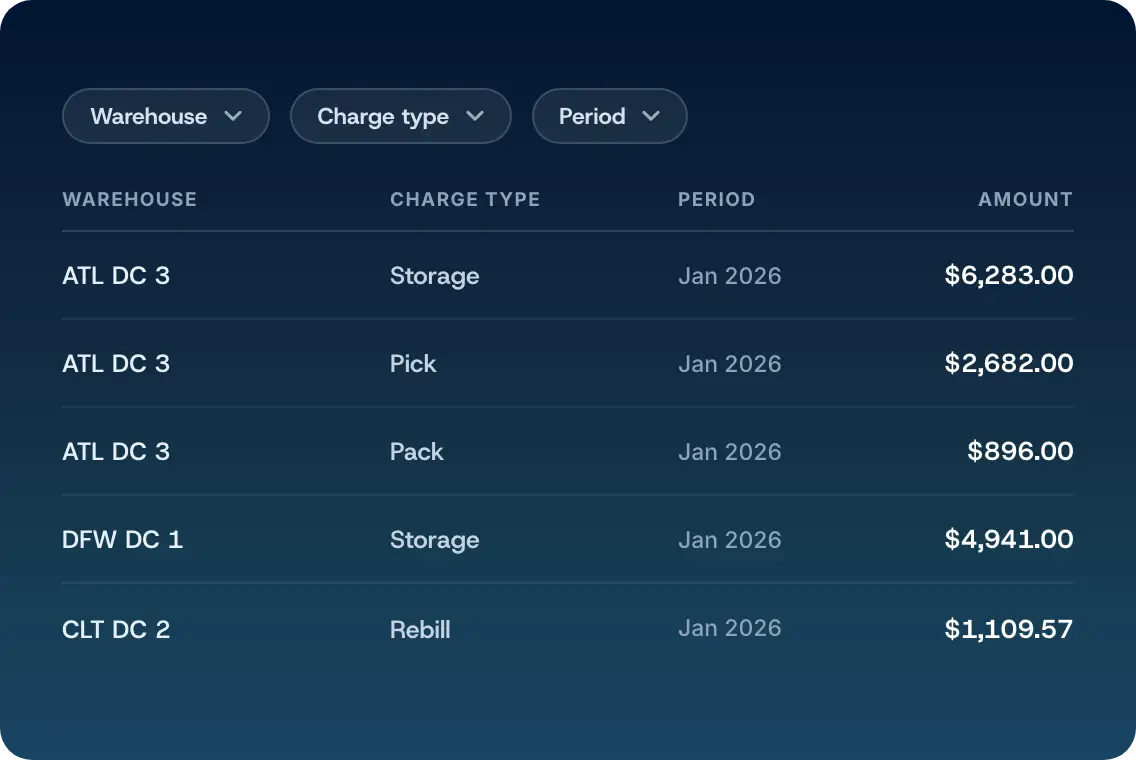
Evaluating need to use records that reflect typical operations as well as typical exceptions. The execution team can contrast the software program's outcomes with established hand-operated evaluations and check out whether expected costs, discrepancies, and supporting details show up properly. Any type of differences should be documented and examined rather than assumed to be arrangement mistakes.
This stage is additionally an opportunity to entail individuals that will certainly make use of the system day-to-day. Their responses can determine complicated screens, unnecessary steps, incomplete details, or operations adjustments needed for functional adoption. Adjustments made during testing can decrease disruption after launch.
5. Release, Train, and Fine-tune
A rollout plan must discuss when the software application will certainly become part of routine audit work, which teams will utilize it, and how open items will be managed during the shift. Training should focus on daily tasks, consisting of evaluating exemptions, tape-recording decisions, intensifying questions, and utilizing records 3pl Audit Software for follow-up.
Implementation does not finish at launch. Logistics operations change as carriers, agreements, clients, and inner duties transform. Normal reviews can assist keep guidelines and data connections lined up with present methods. With continuous refinement, 3pl Audit Software can become a repeatable component of the organization's financial and operational evaluation process.
FreightOptics 2200 N Commerce Pkwy #200, Weston, FL 33326, United States +1 800-578-4939