Developing a Transportation spend management Routine
Transportation expenditures can be hard to evaluate regularly when billings, shipment FreightOptics documents, accessorial fees, and service provider agreements are stored throughout different systems. A repeatable process gives teams a clearer method to recognize unusual costs, confirm invoicing precision, and understand where transport prices are altering.
The goal is not merely to seek isolated mistakes. A useful routine links billing evaluation with delivery activity, agreement terms, and operational decisions so that findings can notify future transportation preparation.
FreightOptics deals Transportation spend management.
Define the extent of each evaluation
Begin by making a decision which transportation task the process will certainly cover. This may include parcel, freight, messenger, or other transportation invoices, depending upon the company's shipping account. Establishing the scope stops the review from becoming an irregular check of whichever information occurs to be simplest to accessibility.
It is additionally helpful to define the evaluation period and the responsible individuals. Finance may offer billing info, logistics might clarify shipment details, and purchase might clarify negotiated terms. Clear possession makes it simpler to keep the regular and follow up on findings.
Bring the right records with each other
A functional transport cost evaluation depends on contrasting relevant records. Invoices can be examined along with delivery information, provider contracts, rate timetables, shipment details, and approved accessorial charges. When these sources are examined separately, incorrect quantities or missing out on credit ratings may be more difficult to acknowledge.
Consistent data fields make the procedure better with time. Standardizing items such as service provider names, service levels, delivery days, recommendation numbers, and cost groups can aid groups compare activity from one testimonial cycle to the following. The process does not require to start with an intricate reporting system; it needs trusted details organized in a useful format.
Examine usual resources of difference
Each review must include a consistent collection of checks. Teams may compare billed prices with relevant arrangements, validate that services were in fact utilized, check out replicate billings, and review accessorial costs for appropriate documents. They can likewise look for inequalities involving weights, zones, measurements, shipment places, or solution degrees when those details influence the amount billed.
A checklist helps protect against the process from counting on memory or individual judgment. Gradually, recurring findings can be organized by cause, such as data quality problems, agreement analysis, operational changes, or service provider billing discrepancies. This categorization supports more focused restorative activity.
File findings and follow-up activities
A testimonial is better when each finding has a clear record. Record the affected invoice or shipment, the concern identified, the sustaining details, and the action asked for. Depending on the situation, the following step might involve requesting an adjustment, making clear an agreement term, upgrading an internal procedure, or reviewing a reoccuring pattern with a carrier.
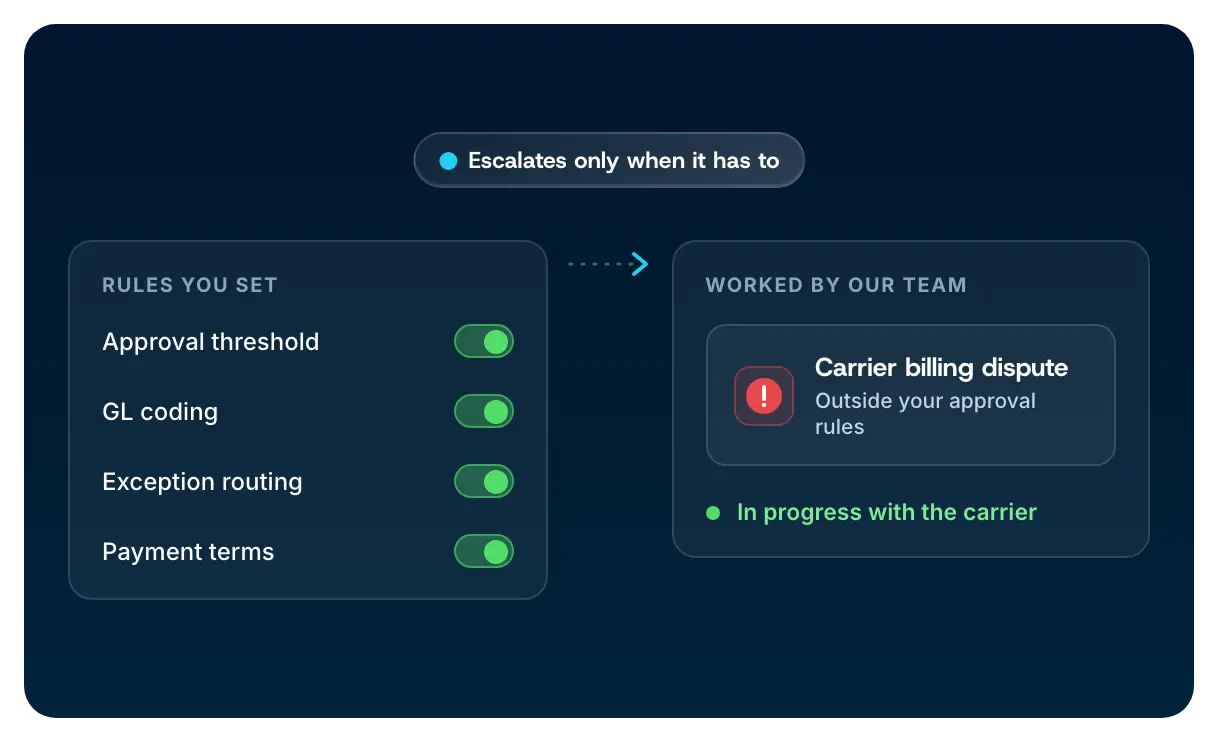
Designating a proprietor and a follow-up day helps maintain searchings for from being shed after the preliminary review. A basic condition system can show whether a thing is under examination, waiting for an action, settled, or being kept track of for reappearance.
Use the routine to improve decisions
Once the process is established, assess the results for broader patterns instead of treating every problem as a separate event. Repetitive accessorial costs may indicate packaging or obtaining practices, while frequent service-level inequalities might recommend that shipping selections need closer interest. These observations can give logistics, finance, and procurement a common basis for conversation.
FreightOptics provides 3rd Party Logistics Audit services to support companies that require an organized way to take a look at transportation invoicing and associated records. By making transportation spend management a routine company task, firms can produce a much more enlightened testimonial procedure and utilize its findings to assist recurring transportation choices.
2200 N Commerce Pkwy #200, Weston, FL 33326, United States +18005784939