Examining Information Needs for 3pl Audit Software
Picking 3pl Audit Software requires greater than contrasting attributes. Services need to first figure out whether a system can approve, arrange, and validate the functional and invoicing info that forms their logistics costs.
A beneficial analysis begins with the data already produced by providers, storage facilities, transport management systems, business resource planning platforms, and 3PL partners. Understanding those sources assists teams identify compatibility gaps prior to implementation.
FreightOptics sells 3pl Audit Software.
Start With Operational Information Sources
Functional information offers the context needed to analyze whether a charge matches the service that was asked for and supplied. Pertinent records might include delivery days, origin and destination areas, solution degrees, bundle or pallet information, weights, dimensions, tracking identifiers, delivery standing, accessorial occasions, and storehouse task.
Services must review how this details is kept and traded. Some partners might supply organized files, while others make use of system combinations, portals, or standardized digital records. During assessment, validate whether the software program can bring these resources together without needing comprehensive guidebook preparation. It needs to also maintain key identifiers so delivery, order, invoice, and delivery documents can be attached properly.
Analyze Invoicing and Contract Info
Payment data is central to an audit since invoices include the amounts that need to be checked. Crucial fields can consist of billing numbers, invoice dates, delivery recommendations, billed services, base transportation fees, gas charges, accessorial fees, tax obligations, debts, changes, and payment condition. For stockroom and gratification 3pl Audit Software activity, services might also require storage space, dealing with, pick-and-pack, receiving, returns, and unique service fee.
Contract and price information is worthy of equal focus. A system may need to evaluate worked out rates, minimum charges, dimensional guidelines, fuel timetables, zone interpretations, surcharge problems, currency requirements, and efficient days. Ask how these terms are represented and preserved, particularly when arrangements differ by carrier, customer, center, lane, or service type. Clear support for versioned policies can help guarantee a billing is analyzed versus the terms that used when the service happened.
Assess Information Top Quality and Matching Needs
Even capable audit software depends upon trusted resource details. Analysis groups should examine replicate records, missing tracking numbers, inconsistent address layouts, conflicting weights, system differences, incomplete accessorial codes, and date or time-zone disparities. They ought to additionally determine which areas are required for matching billings to deliveries, orders, contracts, and proof-of-delivery information.
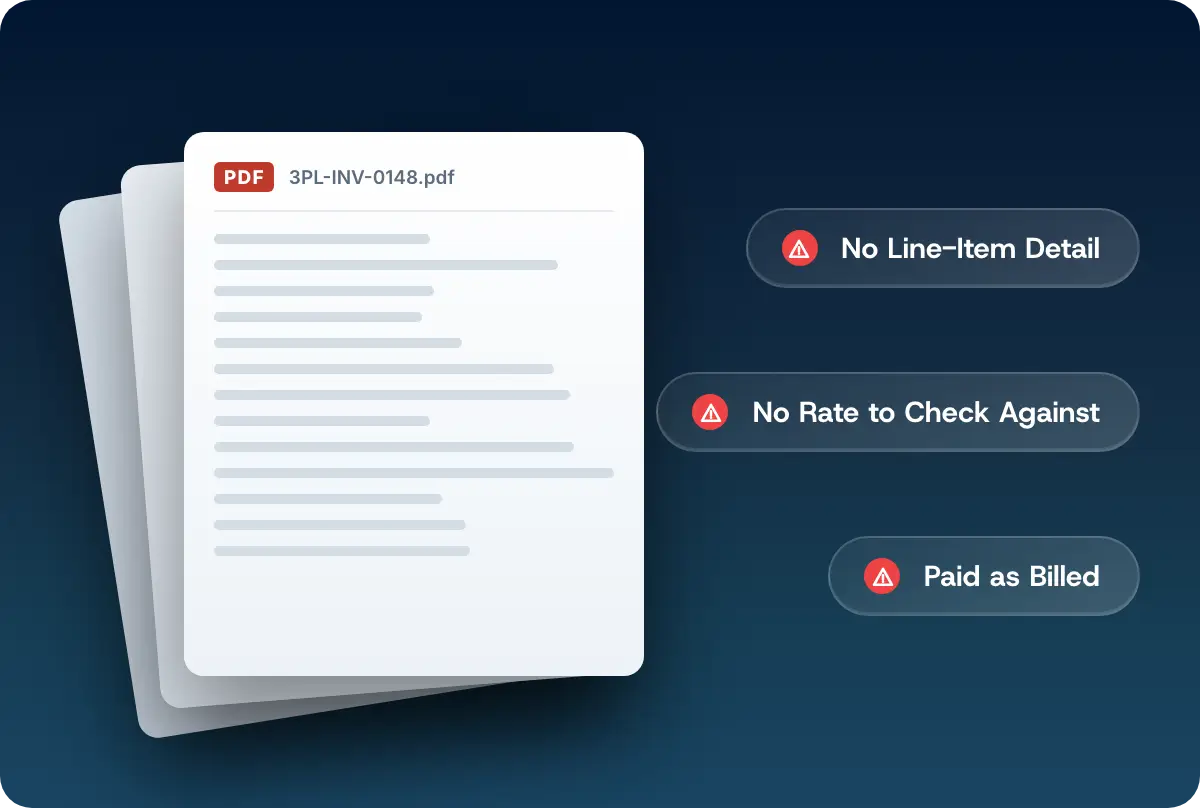
A solid analysis includes representative examples rather than just clean examination files. Use average deliveries, exemptions, returns, global activities, multi-package orders, and billings containing debts or contested costs. This reveals whether the system can determine connections across records and discuss why a charge was accepted, flagged, or rejected.
Take Into Consideration Reporting, Controls, and Information Access
The worth of audited information extends beyond finding specific discrepancies. Services might need recaps by carrier, facility, consumer, solution level, lane, shipment kind, or payment duration. They might additionally intend to identify recoverable mistakes from valid costs and keep an eye on repeating concerns. Verify that the software can provide helpful coverage while preserving the transaction-level information required for testimonial.
Data gain access to and administration should be part of the analysis too. Review individual authorizations, audit backgrounds, export options, retention techniques, and the ability to file choices or modifications. These capacities support partnership among logistics, financing, purchase, and operations groups without shedding the initial record or the reasoning behind an adjustment.
Develop an Assessment Checklist
Prior to picking a system, produce a checklist that maps each required data resource and field to a company objective. Include functional events, billings, rate agreements, account frameworks, exception codes, and reporting demands. Videotape the expected layout, upgrade regularity, liable owner, and any kind of makeover required prior to the data can be utilized.
FreightOptics gives 3rd Celebration Logistics Audit solutions, and its 3pl Audit Software can be taken into consideration alongside the organization's present systems, partner demands, and audit procedures. A focused evaluation of information needs aids businesses choose software that fits their functional atmosphere and sustains consistent, explainable billing analysis.
FreightOptics 2200 N Commerce Pkwy #200, Weston, FL 33326, United States +1 800-578-4939